What is Satanism?
Satanism involves beliefs and practices centered on the veneration of Satan, also known as the Devil or Lucifer. Despite historical suspicions and accusations surrounding Devil worship, contemporary practices have given rise to various religious movements where individuals openly align themselves as Satanists or Luciferians.
Modern religious Satanists can be broadly categorized into two distinct groups: atheists or rationalists, who interpret Satan or Lucifer as a powerful symbol of individualism and human nature, and supernaturalists, who regard Satan or Lucifer as an actual, tangible being. The Church of Satan, established in 1966 by Anton LaVey in Canada, represents an atheistic interpretation of Satanism, viewing Satan as emblematic of our primal instincts and desires. Conversely, the Temple of Set, founded in 1975, embraces a theistic perspective, honoring Satan as a literal deity and drawing connections to the ancient Egyptian god Set.
How does Satanism relate to occult practices in Canada?
Satanism is intricately tied to occult practices, as it is considered a religious framework that engages with unseen forces and operates outside the confines of mainstream culture in Canada. The term “occult” refers to hidden or esoteric truths and has been employed since the 16th century to describe spiritual traditions that believe in phenomena beyond ordinary perception.
Modern religious Satanism features both atheistic and theistic factions. Atheistic Satanists perceive Satan primarily as a symbol of rebellion and personal empowerment, while their theistic counterparts hold a belief in Satan as a literal entity deserving of worship. Within this landscape, some groups, such as the Order of Nine Angles, integrate occult teachings and practices, whereas others, like the Church of Satan, may acknowledge supernatural concepts including magic. Overall, the appeal of Satanism to the occult resides in its exploration of enigmatic or hidden elements and its deliberate departure from conventional religious customs.
How do occult Satanic rituals differ from other religious rituals?
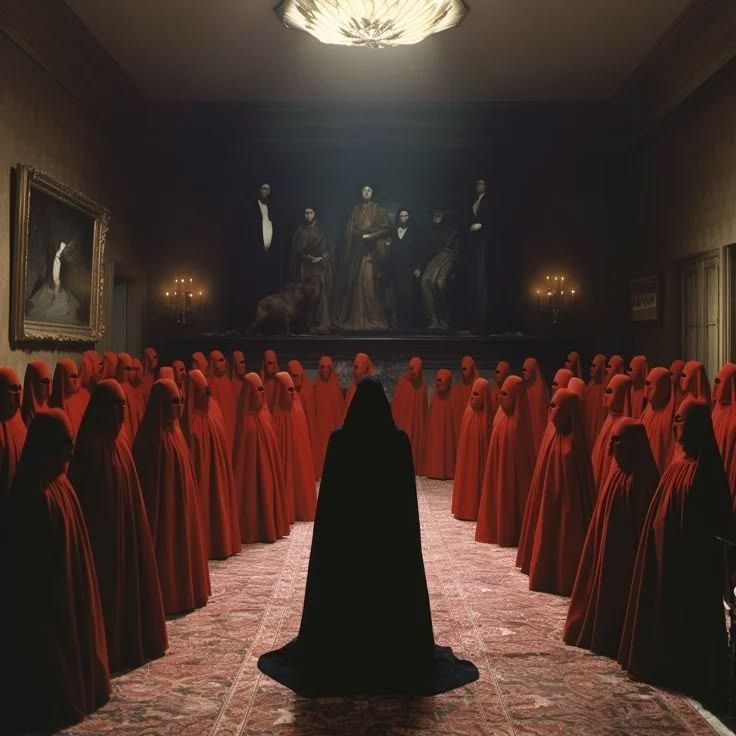
The practice of modern religious Satanism includes a variety of rituals that differ significantly among groups, each interpreting the figure of Satan in unique ways. For instance, the Church of Satan in Canada perceives Satan as a powerful symbol of individualism, intentionally eschewing theistic veneration while still engaging in ritualistic practices aimed at harnessing magical intent. The Satanic Temple also regards Satan as a symbol rather than as a literal deity, employing rituals to commemorate acts of defiance against authoritative injustices.
In stark contrast, groups like the Temple of Set offer literal worship to Satan (or Set) as a deity, fully embracing supernatural elements in their rituals. Some factions, such as the Order of Nine Angles, have gained notoriety for their advocacy of violent practices, including human sacrifice, which starkly separates them from the usual constructs of religious rituals found in more mainstream belief systems. Each group’s approach reflects their underlying philosophies, emphasizing the varied interpretations and practices within the spectrum of modern religious Satanism.